Noise Risk Assessment (NRA)
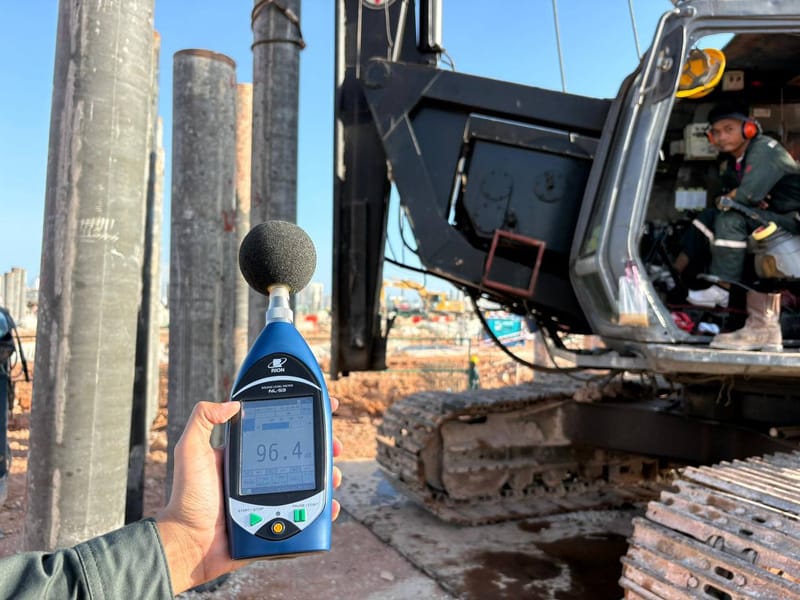
What is Noise Risk Assessment (NRA)?
Noise risk assessment (NRA) is a systematic process aimed at identifying, evaluating, and mitigating the risks associated with noise exposure in occupational settings. This assessment is crucial for protecting workers' health, particularly in industries where high noise levels are prevalent. Effective noise risk assessments not only comply with legal requirements but also promote a culture of safety within organizations.
Objectives Of NRA
A Noise Risk Assessment (NRA) is carried out to:
- Identify employees who may be exposed to noise levels exceeding the permissible Noise Exposure Limit (NEL)
- Assess the effectiveness of current noise control measures
- Recommend appropriate Personal Protection Equipment (PPE) based on exposure levels
- Determine whether a Hearing Conservation Programme (HCP) is required and should be implemented
How Often Should a Noise Risk Assessment (NRA) Be Conducted?
A Noise Risk Assessment (NRA) should be carried out at least once every five (5) years, or sooner if there are significant changes in the workplace that may affect noise exposure.
An NRA should also be reviewed when there are changes such as:
- Changes or modifications to machinery and equipment
- Changes in work processes or workplace layout
- Installation or introduction of new noise sources
- Noise-related complaints or concerns regarding hearing health
This guideline provides a structured approach for conducting Noise Risk Assessment (NRA) in the workplace. It outlines the process for identifying excessive noise exposure, assessing employees’ noise exposure levels, evaluating existing noise control measures, and recommending appropriate control measures in accordance with applicable DOSH requirements and the Industry Code of Practice for Management of Occupational Noise Exposure and Hearing Conservation 2019.